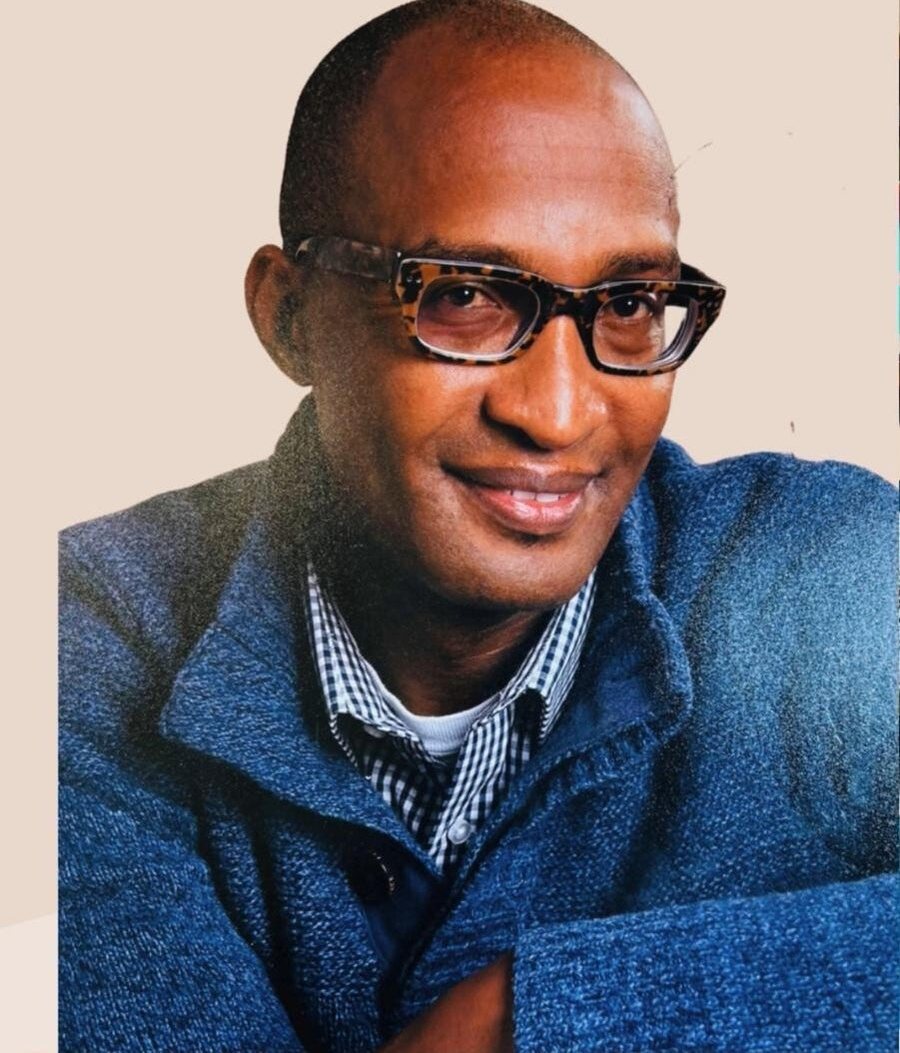
Dr Charles Mugisha is an interdisciplinary scholar of Afrocentric Social Work, African history, historical memory, migration, refugee studies, identity, and indigenous knowledge systems. His scholarship bridges African intellectual history, social anthropology, genealogy, and cultural heritage, advancing understanding of how communities preserve, transmit, and reimagine knowledge across generations. Through research, teaching, and intellectual leadership, he is committed to safeguarding historical memory, enriching scholarly discourse, and ensuring that Africa's diverse knowledge traditions continue to inform both present and future generations.
Educated in Africa and the United Kingdom, Dr Mugisha’s intellectual formation spans philosophy, theology, history, refugee studies, social work, and social anthropology. He holds a PhD in African Studies, Social Work and Social Anthropology from the University of Birmingham, where his doctoral research examined the lived experiences of African refugee families navigating child welfare services in the United Kingdom. His work contributed to wider scholarly debates concerning migration, social justice, cultural identity, family welfare, and the relationship between historical experience and contemporary social policy.
Over more than two decades, Dr Mugisha has combined academic scholarship, professional practice, teaching, supervision, and public engagement. His interdisciplinary research explores the intersections of memory, belonging, displacement, identity, citizenship, community resilience, and social transformation. His publications have appeared in peer reviewed academic journals, including the Journal of Social Work Education, and he is a regular contributor to Professional Social Work, the flagship publication of the British Association of Social Workers.
Alongside his contributions to migration and refugee studies, Dr Mugisha has established a distinguished reputation as a scholar of Bakiga historiography, genealogy, historical memory, and African indigenous knowledge systems. Drawing upon archival research, oral traditions, community histories, clan genealogies, and historical anthropology, his scholarship investigates the ways in which historical consciousness is produced, preserved, contested, and transmitted within African societies. His work seeks not merely to reconstruct the past, but to illuminate the intellectual traditions, cultural inheritances, and historical experiences that continue to shape contemporary communities.
As Founder and Director of the Batinda Institute, Dr Mugisha leads a pioneering intellectual and archival initiative dedicated to the preservation, advancement, and dissemination of Bakiga and Banyakigezi history, genealogy, language, heritage, and knowledge systems. Under his leadership, the Institute serves as a centre for historical research, archival preservation, scholarly exchange, genealogical documentation, public education, and international academic collaboration.
Central to Dr Mugisha’s scholarship is the conviction that historical memory constitutes one of the enduring foundations of communal life. His research is guided by a commitment to recovering overlooked histories, preserving cultural inheritance, and ensuring that African intellectual traditions remain accessible to future generations. Through his writing, research, teaching, and institutional leadership, he continues to contribute to international scholarship in African history, social anthropology, migration studies, refugee studies, and social work, while championing the preservation and advancement of Bakiga historical knowledge and community memory.